
Blame it on the spirits
A white English male sets out to write a straightforward travel blog about Chile and instead gets mixed up with singers, poets, generals and ghosts

Santiago is a big city (600 sq km, six million inhabitants) for a short stay (one afternoon and evening).
The transfer from the Arturo Merino Benítez airport took us along quiet highways and sunny boulevards to Providenzia.
In her memoir, My Invented Country, Chilean exile Isabel Allende describes her grandfather making the bold move to relocate the family to this area on the outskirts west of the city.
‘The man had a good eye,’ she writes, ‘because within a few years Providencia had become the most elegant residential area in the capital’.
Today, flash apartment blocks dot the precincts where the big houses once stood. From the terrace of the Solace hotel, the view over the foothills of San Cristóbal reminded me of Mid-Levels in Hong Kong: less dense than the plain of the city, aloof from the congestion and crowds.
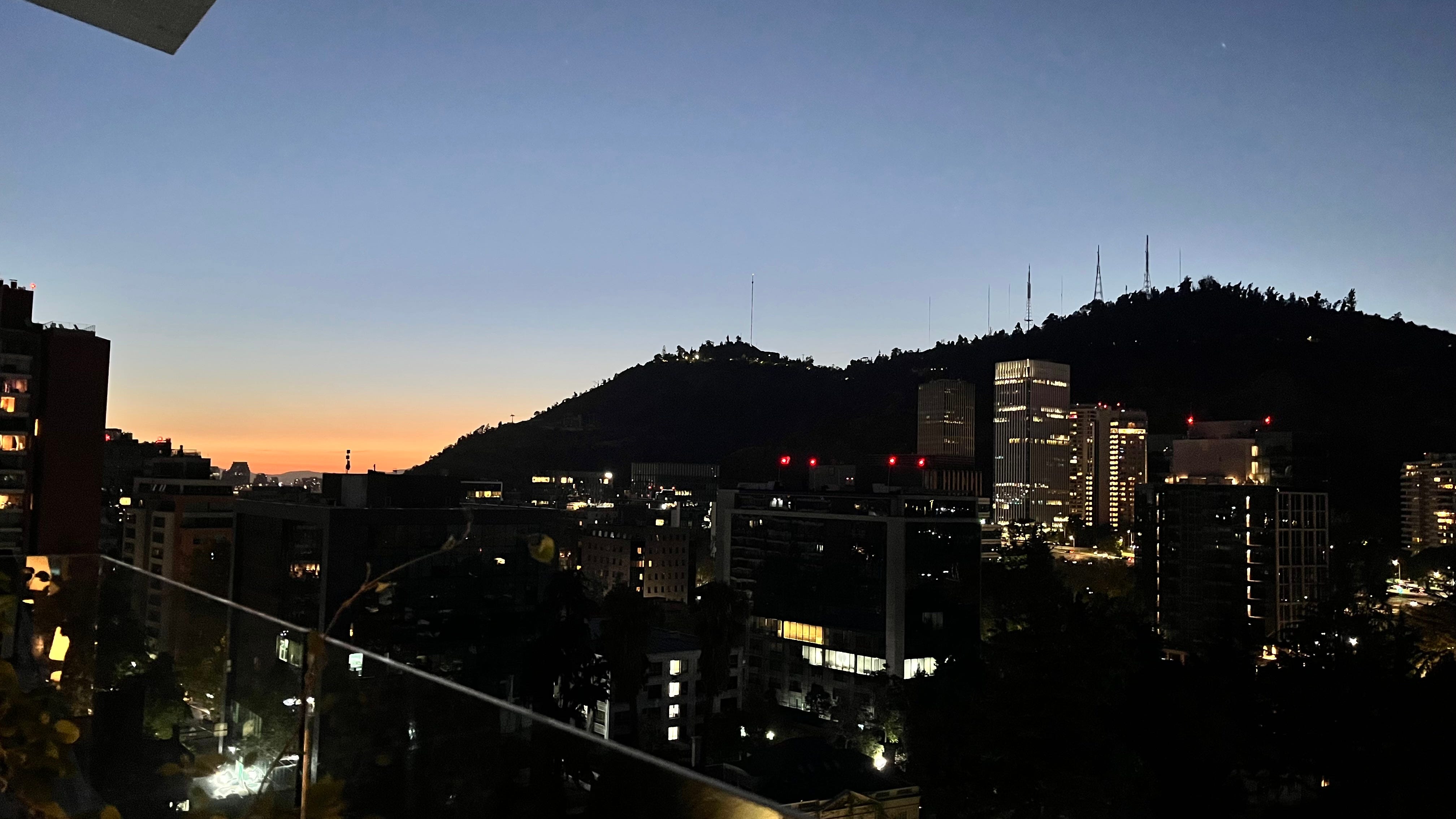
(The posh travel company we chose for the trip made a good choice – later in the journey, as we’ll see, they definitely didn’t. But the Solace is a calm and businesslike four-star, not overly expensive, not trying too hard to be cool and boutiquey).
We walked through a neighbourhood of smart homes, barricaded and armed like pocket-sized embassies, to the Metropolitan park and the Teleférico Santiago cable car.
Like visitors to Hong Kong who have little time in the city, don’t avoid the touristy parts of Santiago just because they are popular and you are driven by some neo-Platonic desperation to discover the real place. So up to the city’s most popular viewpoint we went.
How do you feel about cable cars? My vertigo has lessened over the years. As a teenager, I’d struggle on the top floor of a Midland Red bus. I wonder if my middle ear has improved, or whether this is one of the consequences of travelling a lot: fears and phobias are exposed to the light of real experience and eventually disappear. HOWEVER: this ride made me distinctly queasy as we rose ever higher in the hills above the mega city. The car swayed alarmingly in the breeze and every jolt as we passed a pylon was like your heart stopping mid-flight.
The higher we got, the more South American the cityscape became. Urban sprawl can be a monotonous thing in a flat city like, say, Melbourne or Phoenix, where the suburbs seep out in all directions, inundating the land. In mountainous Santiago and even more epic places like Quito, there is a sobering beauty in the way the developments create wave after wave over the mountains into the distance.
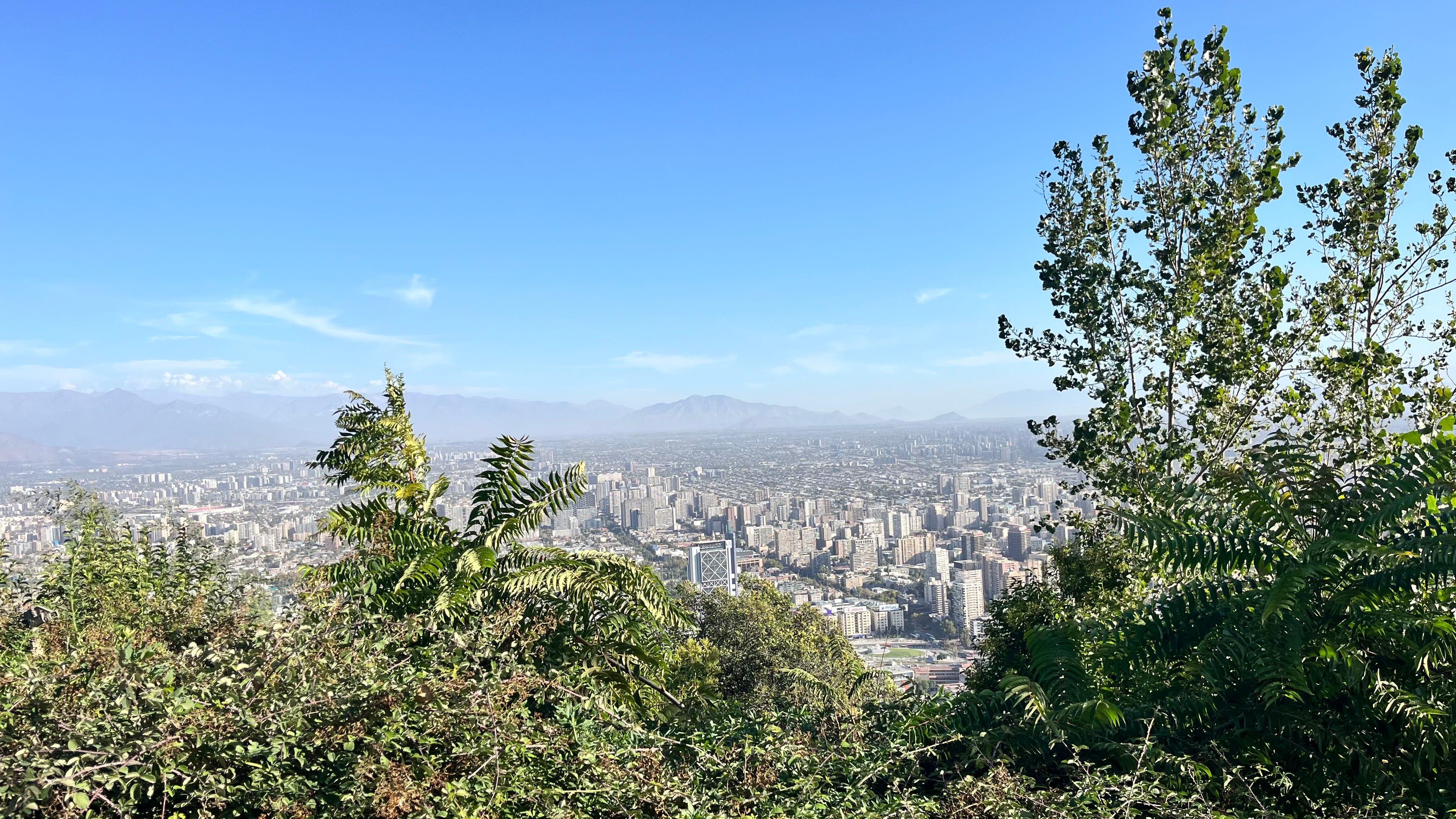
The facilities at the top of San Cristóbal were the usual mixture of tacky souvenirs and tick-box cafes. It’s as if the owners of these joints, the same the world over, are saying you don’t want to dwell here – get out for a walk! Which we did.
It was a two-hour walk back to the hotel. It wasn’t meant to be two hours, but I’d somehow forgotten that mountains are much wider at the bottom than at the top. Anyway, it gave us a close-up view of the evolving city. Bellavista, where they advise you to keep tight-hold of your belongings, is an area of studenty bars and restaurants. It’s one of those famed Bohemian areas where Bohemianism has turned tawdry, where the colour and noise conspire to make the streets more humdrum and less, here comes that word, vibrant. But as you skirt the base of the mountain, the cheap bars give way to low-slung streets of quiet villas punctuated by small hotels and apartment blocks.
Providencia’s bars and restaurants were heaving by the time we got there, so after a very long way, we settled for pisco sours on the hotel terrace. Half a day in Santiago. An aperitif of a trip.
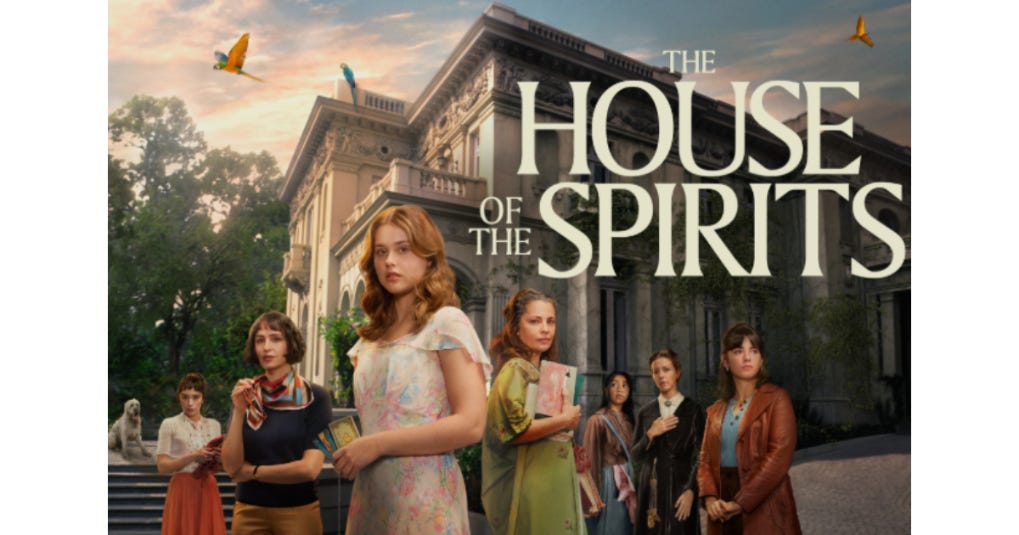
A new adaptation of Isabel Allende’s first and most celebrated novel, The House of the Spirits, has just surfaced on Amazon. The novel tells the story of changing Chilean society over six or seven decades. The adaptation and casting choices also tell a story. The first film of the book, with Jeremy Irons and Meryl Streep, was a piece of Holywood colonisation. This new series is in Spanish, with South American actors (not all of them Chilean, mind).
I very much enjoy Isabel Allende’s writing. There’s no word for ‘trigger warning’ in her vocabulary She deals with often brutal subjects – sexual violence, oppression, coups, torture. But her prose has a lightness, dryness a pithiness stemming from her days in magazine journalism, that makes our Anglo Saxon novels seem dowdy and fusty as heavy old curtains. Here’s my trigger warning. Any white English male reader (like me) approaching her books should take care. In The House of the Spirits, Englishness is the opposite of ‘magical’. It’s synonymous with logic, discipline and the thwarting of the imagination. White English male readers may feel more white more English, more male and more than usually stolid by the end.
Allende shares a famous surname with the cousin of her father, the President who was deposed on a notorious date in the Chilean calendar – September 11. That was in 1973. At about the same time, in Australia, another reforming left wing leader set about doing actual socialist things, so spooking the businesses, the markets and the military. Gough Whitlam was deposed in a bloodless, if constitutionally suspicious coup. He died peacefully at home in 2014 at the age of 98. Salvador Allende was bombed in his palace on September 11 and was either killed there or committed suicide. There followed 15 years of vicious retribution under General Pinochet’s regime, not just against leftist politicians, but also poets, musicians, teachers, students – if you want to see how vicious culture wars can become, look at Chile in the seventies and eighties.
So far, so South American, you might think. But Chile has as much in common with, well, Australia as neighbours like Argentina, Peru and Bolivia. Before the coup, it had handled its post-colonial history with much good sense and very little involvement from the army. Isabel Allende writes of a modest, unflashy, conservative country where the ruling class had deep ties to the land. It had its own version of what Aussies call ‘tall poppy syndrome’ and the Swedes jantelagen. One of the things that most dismayed the exiled writer on revisiting her homeland after the return to democracy were the most unChilean displays of ostentatious wealth. But autocracies love a bit of bling, don’t they?
Had we stayed a bit longer we’d have seen the new president, José Antonio Kast, inaugurated. He’s been variously described as far right, ultra-conservative and a fan of Pinochet. He also stood on a promise to revive Catholicism in the country. I don’t know how far he’ll get with that. In my short acquaintance with Chile and Chileans, I got the strong impression that as in its coloniser Spain, that chapter has been read and no-one under 40 wants to turn back the pages. But as with our own British Far Right’s sudden enthusiasm for Christianity, religion is now less to to do with belief and the actual teachings of Jesus: it’s about a diabolocal thing called ‘identity’.
Beyond the fringe
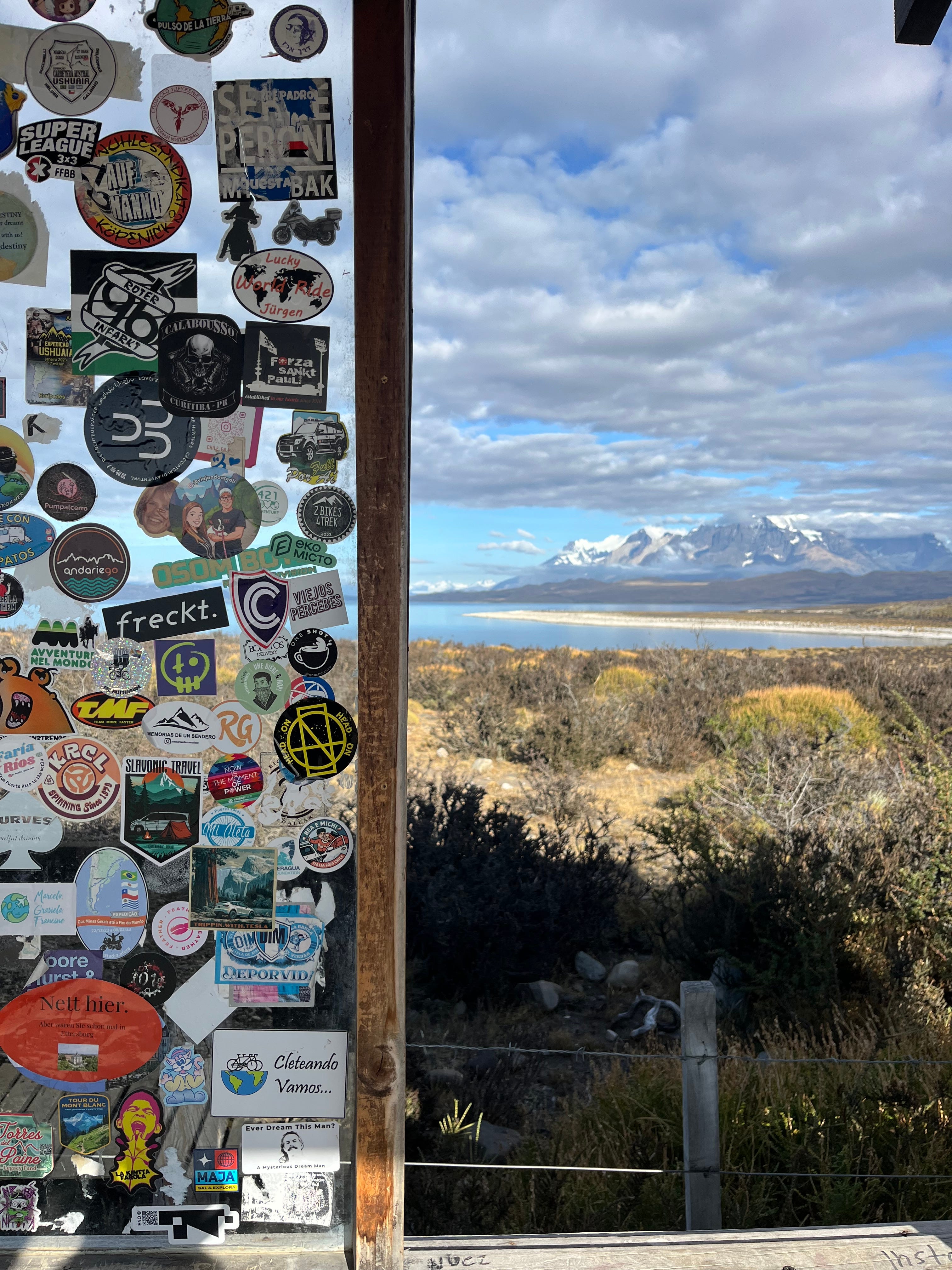
Puerto Natales is a long way (3,000 km, 33 hours by car) from Santiago and, here in the heart of Patagonia, we are a similar distance culturally.
It sits at the southern tip of the country. Look at the map of the region, and Chile is like Argentina after it’s been on a course of fat jabs. They don’t like each other, the fat and the ultra-skinny sister, but Patagonia brings them together in a terrain where glacier, mountain and pampas are majestically aloof from sibling rivalries.
I liked Puerto Natales. It belongs to that genre of frontier towns that have prospered as adventure travel has taken off and gone upmarket.
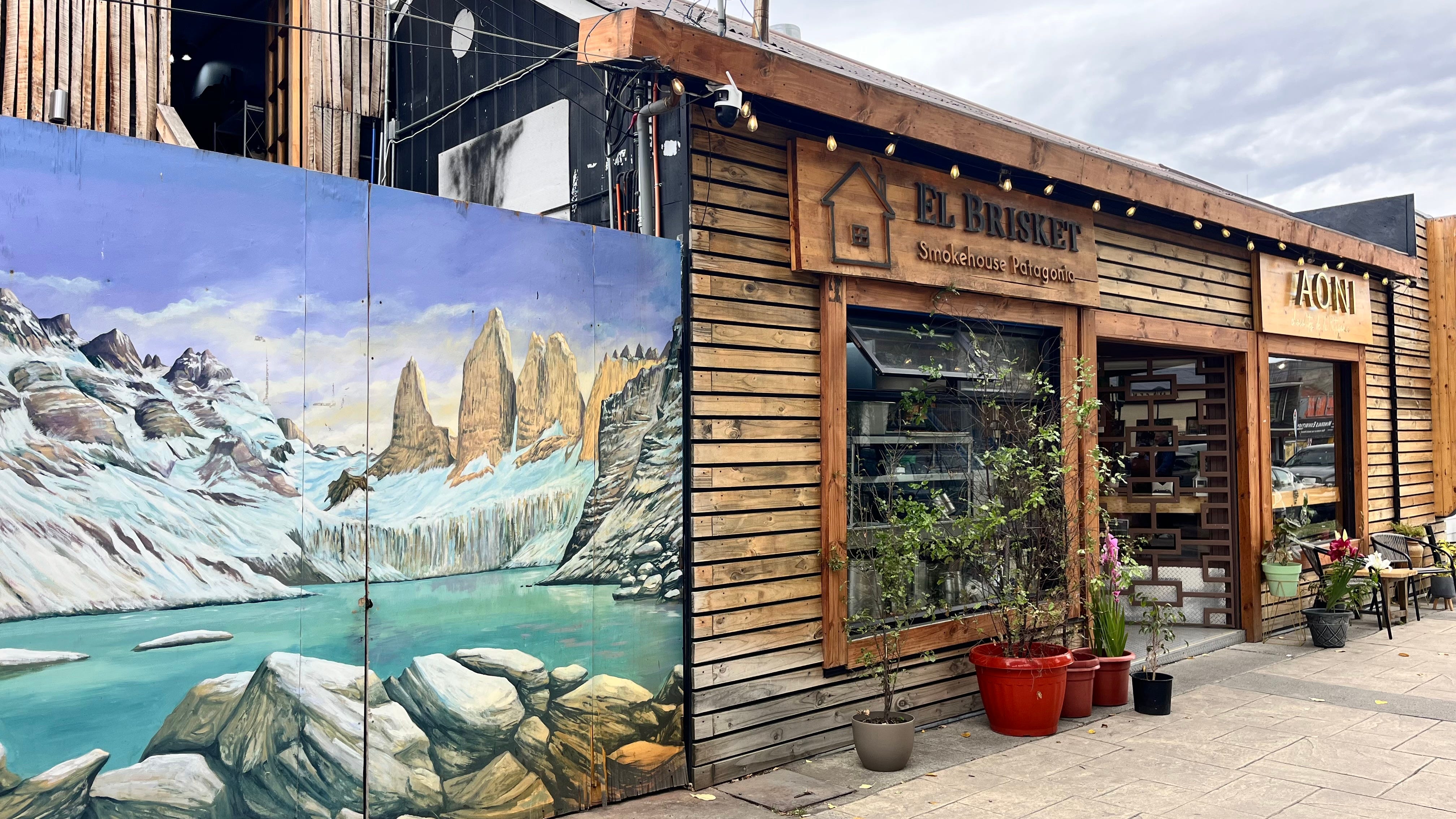
Twin it with places like Queenstown and Tromso. You are on the edge of some proper frozen wilderness, and the rawness of previous eras when the place belonged to trappers, fishermen prospectors and chancers, clings on in the streets of rough wooden houses overlooking the Última Esperanza Sound – the place of last hopes.
To borrow a French phrase, Puerto Natales is a town between a wolf and a dog. The signs of domestication are everywhere: coffee places, organic woollens outlets, apartment hotels, upmarket steak restaurants. As you stray further from the centre, the weeds and rust and all-round sketchiness take over. And speaking of dogs, they are everywhere, dear, docile strays, most with limps.
The posh tour company’s first suggestion was a luxury lodge deep in the Torres del Paine national park. There was a lot to be said for it: a beautiful mountain resort where everything – wine, food, tours – is included, as long as you don’t baulk at a per-night cost north of $1000. But baulk we did. The PTC came up with a cheaper alternative in town called Casa Patagonia. But there is a difference between ‘cheaper’ and, well, somewhere you’d find underwhelming as a student backpacker on a budget of $50 a day. It was at the intersection of a busy street. The room looked over a parking lot. There was only space for one suitcase. The thought of three nights there was a dire one.
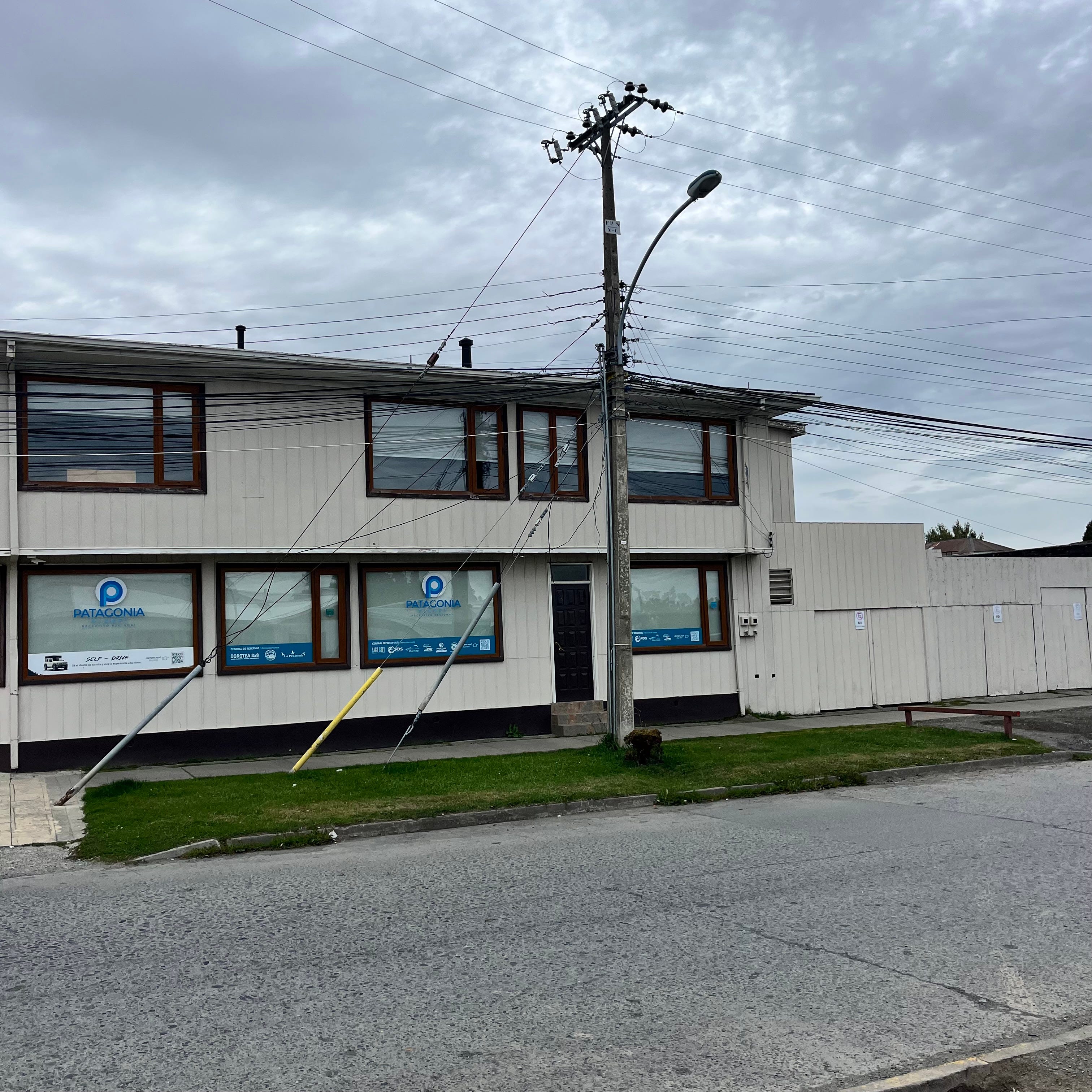
‘Our specialists use an intuition that’s deep within them to create moments that feel undeniably, fortuitously right,’ said the tour operator
To their credit, the ground operators for the PTC, who in truth should never have put the Casa on their list in the first place, acted swiftly and found another hotel. This was definitely the upgrade: a long, two-storey building like a log cabin that’d won the lottery. Inside, open plan, rugs and benches and art, quiet rooms, functional in an unpretentious Scandinavian way.
The name of this hotel which may surprise some readers, was the Best Western Patagonia.
I recalled one of the Golden Rules of Hospitality: what’s upmarket today will be midmarket tomorrow. This wilderness eco-design was bold, adventurous and suitably pricey when places like Southern Ocean Lodge made their debut early in this century. Now it’s become a template a Best Western member hotel can offer at £130 a night.
In case you’re wondering
If you’re touring in the Torres del Paine, you’ll likely be in a bus being talked at incessantly in two languages by a guide with an imperfect microphone technique and the usual repertoire of lame guide-like jokes.
I guess all that human noise pollution only made the great outdoors all the more of a sanctuary. And outdoors don’t get much greater than this.
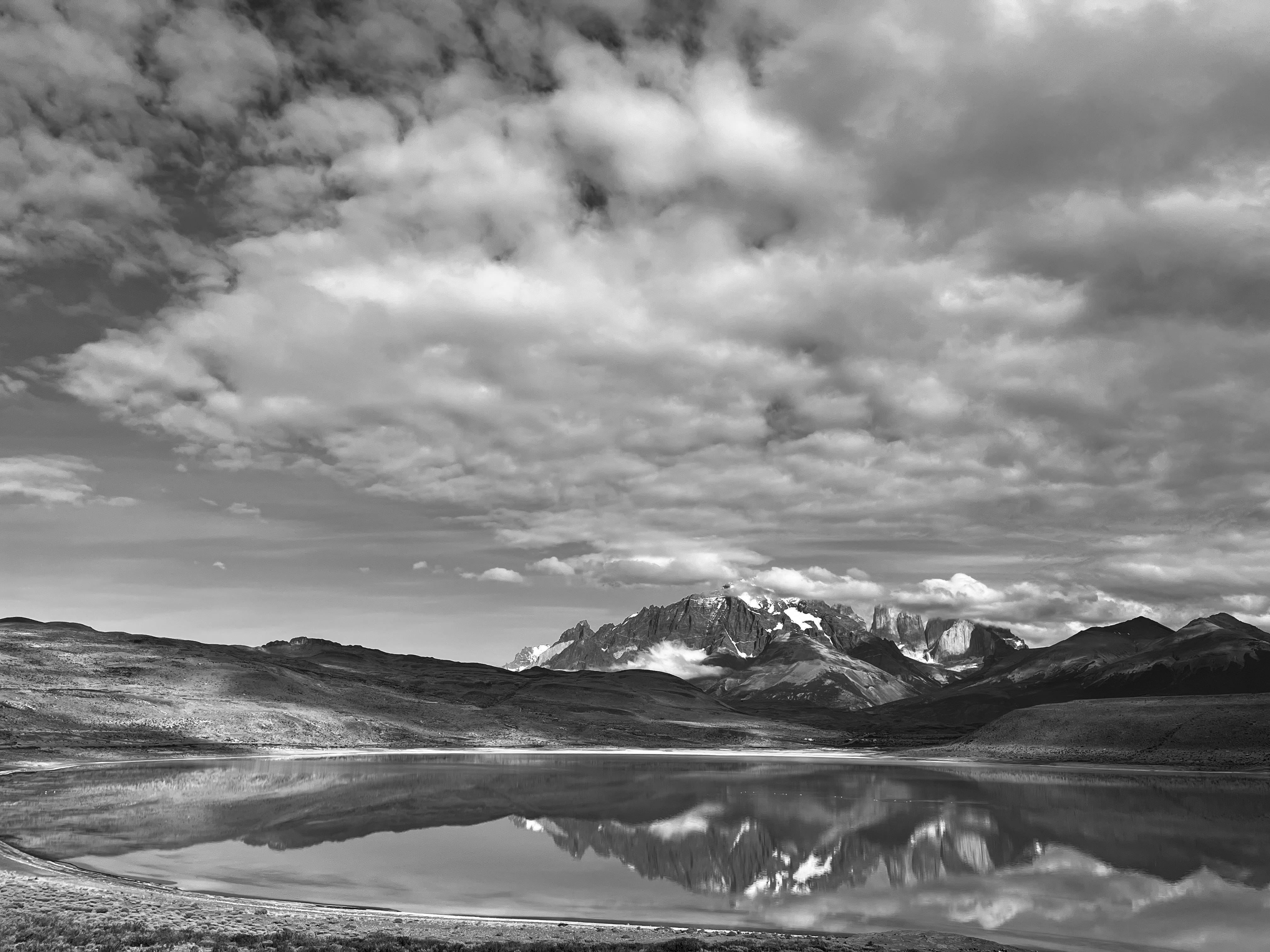
The facts are these. Torres del Paine, or ‘blue towers’ in the Tehuelche language, is a national park of some 700 sq kilometres of jagged granite peaks, glaciers and glacial lakes. The impression you have is that you have walked into a child’s storybook, where the lines are too clear, the blues too blue, the lakes too mirror-like for real life.
But real they are. TripAdvisor named it the 8th Wonder of the World. Nothing like putting a destinationn in a cobbled-together PR list to rob it of its magic. But in my own gallery of recently-experienced sublime landscapes, I think only Mongolia, the Zagori and Torridon come close.
Songs that take you places
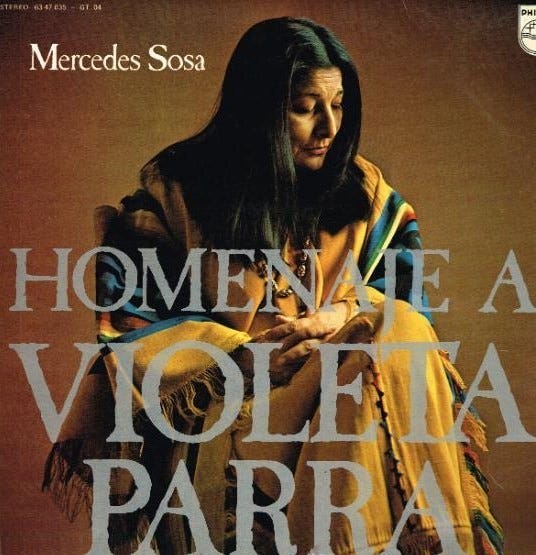
Mercedes Sosa
Thanks be to life… it sounds like the title of a failed Eurovision song contest entry. Instead, it’s perhaps the most well-known song to emerge from Chile in modern times: and perhaps because it emerged from Chile, it’s hardly the kind of vapid sub Coke-ad number the title might lead you to expect.
How so? Well, it was written by Violete Parra (1917-67) a folklorist, writer and singer who is widely credited with pioneering the Chilean ‘new sound’ – a sound not so new that it didn’t draw deeply on the sounds and rhythms of Chile’s pre-Columbian people as well as the influences from Spain.
Hers was a troubled, restless and eventful life that ended with her suicide. Yet this IS a thank-you to life and love:
Thank you to life, that has given me so much:
it has given me the stride of my tired feet—
with them I have traversed cities and puddles,
beaches and deserts, mountains and plains,
your street, your house, and your doorstep.
In the cause of good South American sisterly relations, I’ve chosen a version by the Argentinian singer Mercedes Sosa, whose own life, like Parra’s, was inevitably tangled up with politics, protest and repression. I could have chosen the better-known Joan Baez version. But Baez’s voice is too sweet, clear and correct. Like the great English folk singer June Tabor, there’s power, melancholy and perhaps weariness in Sosa’s voice. No, it’s not Eurovision.
At the risk of making you even sadder, also look up Parra’s Volver a los diecisiete (Return to 17).
Janis Ian this is not: “even the hard chains/with which destiny binds us/are like a blessed day/that brightens my calmed soul.
I’ve just read a story – actually, ‘testimony’ is a better word, from Gabriela Durand. For her, the hard chains were not metaphors: she was handcuffed day and night, a prisoner of Pinochet’s regime.
Her account begins: ‘I was 18, and already I had been tortured on the parrilla several times. One day I was with some other comrade prisoners, and as sometimes happened, the guards put some music on…’
(The parilla, the ‘grid’, was the favoured method of administering electric shocks to political prisoners). In between treatments, the guards liked to mock the prisoners by getting them to sing songs popular in Allende’s ‘Popular Unity’ movement – many of them Violetta Parra’s.
Gabriela couldn’t sing. But by being forced to, she found her voice:
‘They did it to traumatise you,’ she recalls, ‘because when I sang I felt that tremor, that humiliation…but suddenly I even managed to forget that I was singing because I had been ordered to; I even felt inspired for a moment’.
What ever happened to that cheery travel blog about vibrant and breathtaking places I meant to write? I blame it on the spirits.
Let’s end with Isabel on writing, magic and the truth
Chile, writes Isabel Allende, is ‘that mythic country that from being missed so profoundly, has replaced the real country’. So her memoir is every bit an example of ‘magic realism’ as her novels – she has a tendency to ‘transform reality, to invent memory’:
That country inside my head…is a stage on which I place and remove objects, characters and situations at my whim. Only the landscape remains true and immutable: I am not a foreigner to the majestic landscape of Chile.